

Safety Tips For Food Preparation And Storage in Commercial Kitchens
Maintaining food safety in commercial kitchens is critical not only for customer health but also for the reputation and legal compliance of the business. Foodborne illnesses can have severe consequences, affecting thousands of people annually and leading to costly penalties and loss of business. This blog post will provide essential safety tips for food preparation and storage in commercial kitchens to help you maintain the highest standards of hygiene and safety.
Personal Hygiene
- Handwashing
One of the most fundamental practices in food safety is proper handwashing. Hands are a primary vehicle for transmitting pathogens to food. It’s crucial to wash hands frequently and correctly to prevent contamination. Follow these steps for effective handwashing:
- Wet hands with clean, running water (warm or cold), turn off the tap, and apply soap.
- Lather hands by rubbing them together with the soap. Be sure to lather the backs of hands, between fingers, and under nails.
- Scrub hands for at least 20 seconds.
- Rinse hands well under clean, running water.
- Dry hands using a clean towel or air dry them.
- Personal Protective Equipment (PPE)
Using personal protective equipment (PPE) like gloves, hairnets, and aprons is essential in preventing contamination. Gloves should be changed regularly, especially when switching between tasks (e.g., from handling raw meat to chopping vegetables). Hairnets and aprons should be worn at all times to keep hair and clothing from contacting food.
- Employee Health
Employees showing symptoms of illness, particularly gastrointestinal issues, should not handle food. Establish clear policies for sick employees, encouraging them to stay home or take on non-food handling tasks. Regular health checks can also help identify potential issues before they affect food safety.
Proper Food Handling
- Receiving Deliveries
Proper food handling begins at the point of delivery. Always check the temperature of perishable items to ensure they are within safe limits. Inspect all deliveries for signs of contamination or spoilage. Reject any items that do not meet safety standards.
- Preventing Cross-Contamination
To avoid cross-contamination, use separate cutting boards and utensils for different food groups, such as raw meats, vegetables, and cooked foods. Store raw and cooked foods separately, with raw foods on lower shelves to prevent juices from dripping onto ready-to-eat items.
- Thawing Foods Safely
Thawing foods correctly is crucial to prevent bacterial growth. Safe methods include thawing in the refrigerator, in cold water (changing the water every 30 minutes), or in the microwave if the food will be cooked immediately. Never thaw food at room temperature, as this can lead to dangerous bacterial growth.
Temperature Control
- Danger Zone Awareness
The temperature danger zone, between 5°C and 60°C, is where bacteria can multiply rapidly. It’s essential to minimise the time food spends in this range. Use thermometers to monitor food temperatures regularly.
- Cooking Temperatures
Different foods require specific internal temperatures to be safe for consumption. For example, poultry should reach an internal temperature of 74°C, ground meats 71°C, and seafood 63°C. Use a food thermometer to check these temperatures to ensure safety.
- Cooling Foods
Cooling hot foods quickly is vital to prevent bacteria growth. Use shallow containers to cool foods more rapidly, and consider using ice baths or blast chillers. Stirring food in an ice bath can also help reduce the temperature quickly.
Storage Best Practices
- Refrigeration and Freezing
Maintain proper temperature settings for refrigerators (at or below 4°C) and freezers (-18°C or below). Organise storage to allow air circulation and avoid overloading, which can affect cooling efficiency.
- Labelling and Dating
Label all food items with the date they were prepared or received. Use the First In, First Out (FIFO) method to ensure older stock is used before newer items. This practice helps prevent waste and ensures food is used within its safe consumption period.
- Cleaning and Maintenance
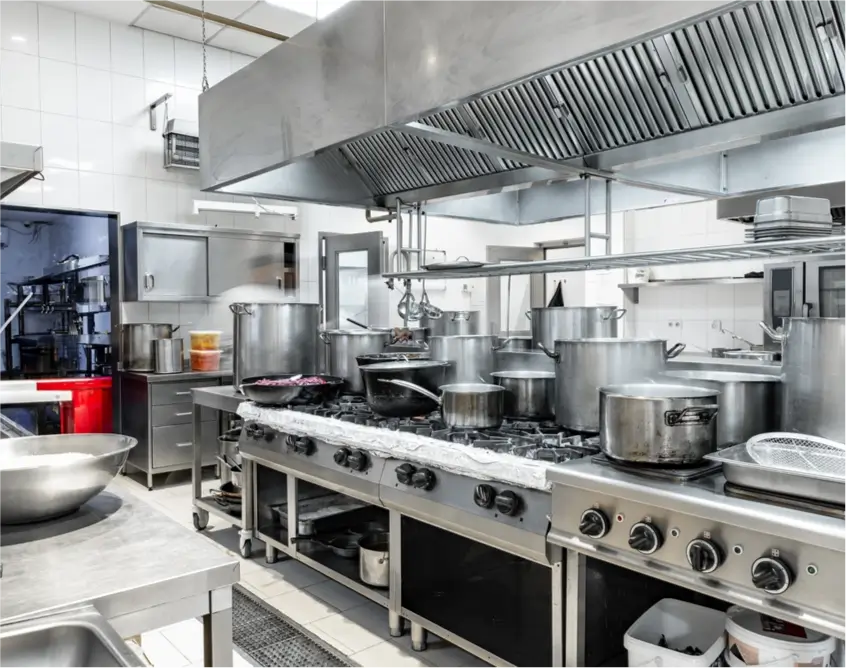
Regular cleaning and maintenance of storage areas are essential to prevent contamination. Develop a cleaning schedule and stick to it, ensuring that refrigerators, freezers, and other storage areas are cleaned and sanitised regularly. It’s also worth investing in a commercial cleaning service that specialises in food service areas. Check and maintain equipment like thermometers to ensure they are accurate and functioning correctly.
Cleaning and Sanitising
- Cleaning vs. Sanitising
Cleaning involves removing dirt and debris from surfaces, while sanitising involves using chemicals to kill germs. Both are crucial in maintaining a safe kitchen environment.
- Cleaning Schedules
Establish and adhere to a rigorous cleaning schedule for all kitchen areas, including food preparation surfaces, utensils, and equipment. Regular cleaning prevents the buildup of harmful bacteria and reduces the risk of contamination.
- Sanitising Solutions
Use sanitising solutions as directed by the manufacturer, ensuring the correct concentration and contact time. Improper use of sanitising solutions can render them ineffective and leave harmful residues.
Pest Control
- Prevention Measures
Preventing pests from entering the kitchen is crucial. Seal entry points, keep doors and windows closed, and use screens where necessary. Proper waste management, such as using sealed bins and regular disposal, also helps deter pests.
- Regular Inspections
Schedule regular pest control inspections to identify and address any issues promptly. Immediate action on signs of infestation can prevent pests from becoming a major problem.
Maintaining food safety in commercial kitchens requires diligent adherence to best practices in hygiene, food handling, temperature control, storage, cleaning, and pest control. By implementing these safety tips, you can protect your customers’ health and your business’s reputation. Regularly reviewing and updating your safety practices ensures ongoing compliance with health regulations and standards.
