
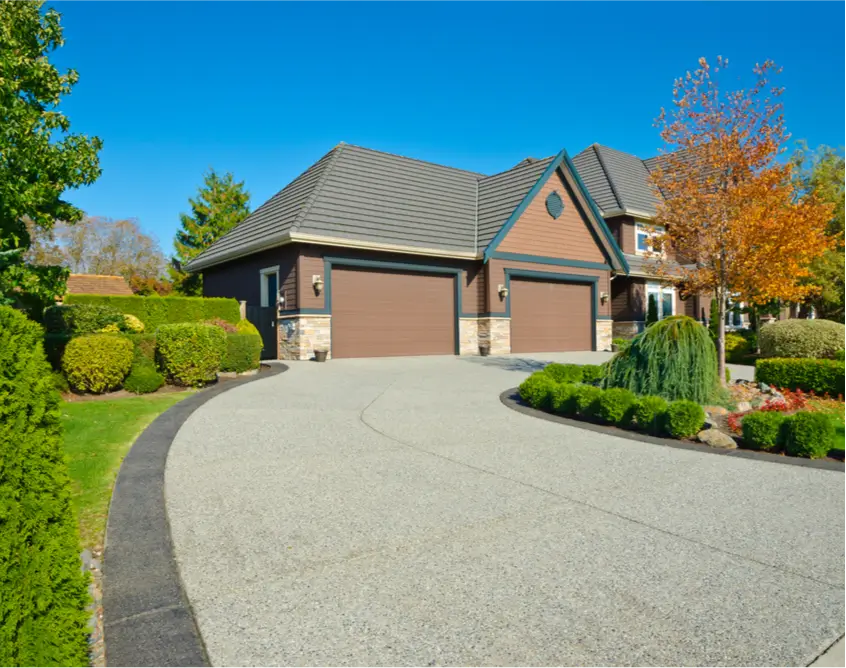
Repair or Resurface a Concrete Driveway: What You Need to Know
Taking care of your concrete driveway is essential for maintaining the kerb appeal and functionality of your property. Over time, general wear and tear, weather conditions, and heavy usage can lead to cracks, holes, and other damage.
When your driveway starts showing signs of deterioration, you have two primary options: repairs or resurfacing. Understanding the differences between these methods can help you make an informed decision about what’s best for your driveway.
In this blog, we will delve into these differences and hopefully provide you with a better understanding of driveway repairs and driveway resurfacing.
Complete Repairs: When It’s Time to Replace
- Invasive but Necessary for Major Damage
Complete repairs are a more invasive solution, requiring the removal of the old concrete surface before installing a new one. As such, this method is often recommended when dealing with significant damage, such as large cracks or holes.
These problems often indicate that the structural integrity of the driveway is compromised and simply resurfacing won’t address the underlying issues.
- Addressing Serious Drainage Issues
Driveways with serious drainage problems may also need to be completely replaced. Poor drainage can lead to water pooling, which can weaken the concrete over time and lead to significant damage.
By replacing the driveway, you can install proper drainage solutions to prevent water-related issues in the future.
- Age Matters
If your concrete driveway is around 20-25 years old, it’s generally better to opt for a complete repair rather than resurfacing. At this age, the concrete has likely experienced significant wear and tear, and resurfacing may not provide the durability and longevity you need.
A full replacement can give you a fresh start with a new, durable surface that can last for many more years.
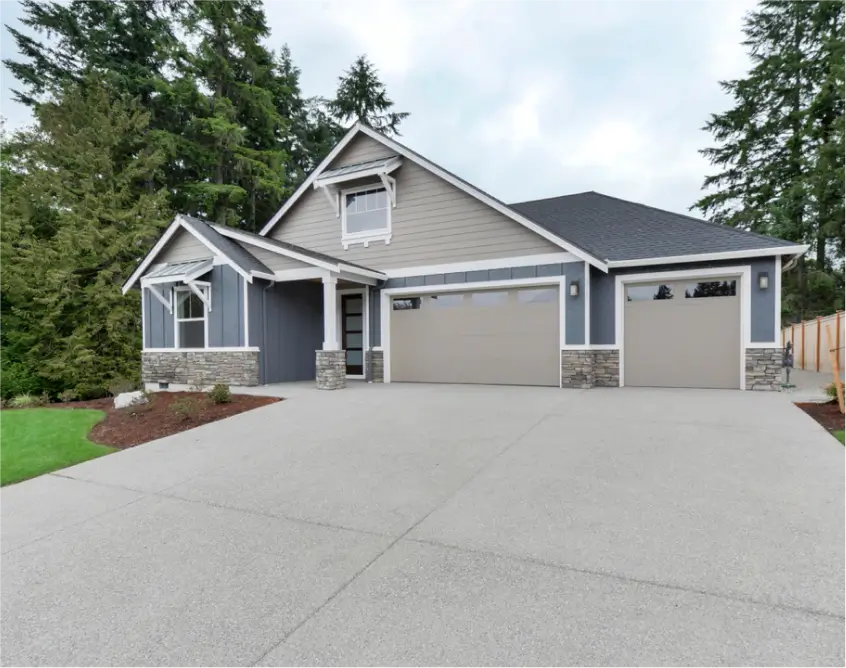
Resurfacing: A Quick and Cost-Effective Solution
- Quick and Efficient
Resurfacing a concrete driveway involves applying a new layer of concrete or a concrete coating over the existing surface. This process is much quicker and less invasive than a complete repair.
It can often be completed in a matter of days, allowing you to restore the appearance and functionality of your driveway with minimal disruption.
- Suitable for Smaller Cracks
Resurfacing is ideal for driveways with smaller cracks and surface imperfections. The new layer of concrete or coating can fill in these minor cracks, providing a smooth and uniform surface.
However, it’s important to note that resurfacing won’t fix underlying structural issues. If the cracks are due to a compromised foundation, resurfacing is only a temporary solution.
- Affordable and Aesthetic
One of the main advantages of resurfacing is cost. It is significantly less expensive than a complete repair and replacement.
Additionally, resurfacing can provide a sleek, modern appearance to your driveway. You can choose from various finishes and colours to enhance your property’s kerb appeal without breaking the bank.
- Permeable Paving Options
Another benefit of resurfacing is the option to use permeable paving materials. These materials allow water to seep through the surface, reducing runoff and promoting better drainage.
This can be particularly beneficial if your driveway has minor drainage issues that don’t warrant a complete replacement.
Maintaining your driveway is essential for ensuring it remains functional and attractive. Whether you choose to repair or resurface, addressing issues promptly can save you time, money, and hassle in the long run.
By understanding the benefits and limitations of each method, you can make an informed decision that meets your needs and enhances your property’s value.
You may also like to read about – Concrete Cutting and Sawing Techniques and Applications
