

What Should You Know Before Getting Veneers?
Veneers may be an option if you want to change the colour, shape or appearance of selected teeth. Before proceeding, it is important to understand whether they suit your oral health, how much tooth preparation is required and what maintenance you may need in the future.
Choosing veneers involves more than selecting a shade. A consultation should help you compare materials, consider alternatives and understand the benefits and risks that apply to your teeth. These discussions give you a clearer basis for deciding whether treatment aligns with your goals.
What Are Dental Veneers?
Dental veneers are thin coverings made from porcelain or composite resin that are bonded to the front surfaces of existing teeth. They may be used on one tooth or several, depending on the concern being addressed.
Veneers can change the appearance of selected chips, discolouration, unusual tooth shapes or small gaps. They differ from dental crowns, which cover more of the tooth and may be recommended when greater restoration is required.
Veneers do not replace missing teeth. They also do not physically straighten teeth or correct an underlying bite problem, even when they make teeth appear more evenly shaped or positioned.
Are Veneers Suitable for Your Teeth?
Suitability depends on a dental assessment. Your dentist will consider your teeth, gums, bite, existing restorations and the changes you hope to achieve.
Decay and gum disease need to be addressed before veneers are placed. Teeth grinding, clenching and certain bite relationships can also affect whether veneers are appropriate.
Be specific about what bothers you. Is it the colour of one tooth, a small chip or the position of several teeth? Different concerns may call for different treatments.
Ask why veneers are being recommended for each tooth. You do not necessarily need multiple veneers simply because you want to change one part of your smile.
Porcelain vs Composite Veneers
The two main materials have different practical considerations.
| Consideration | Porcelain veneers | Composite veneers |
| How they are made | Custom-made restorations, commonly produced in a dental laboratory | Resin usually applied and shaped directly on the teeth |
| Appointments | Laboratory-made veneers usually require multiple visits | Treatment can often be completed in one visit |
| Tooth preparation | Depends on the teeth and proposed changes | May require less enamel removal |
| Repair | Repair or replacement depends on the damage | Often easier to repair |
| Staining and wear | Generally more resistant | Generally less resistant |
| Cost | Usually more expensive | Usually less expensive |
These differences should be discussed alongside your bite, oral health and expectations. Neither material is suitable for every situation.
Ask your dentist to explain why a particular material is recommended and what compromises it involves.
Will Your Teeth Need Preparation?
Some veneer treatments require a small amount of tooth structure to be removed so the covering fits appropriately. Others may involve little or no reduction in selected circumstances.
Enamel removal is irreversible: removed enamel does not grow back. Understanding the proposed preparation is therefore an important part of consenting to treatment.
Ask what changes are planned for each tooth and why they are necessary. The answer should relate to your tooth shape, position, material choice and intended result.
Terms such as “minimal preparation” should not replace a clear explanation. Ask how much preparation is expected in your case and what future restoration needs may follow.
Consider Alternatives Before Deciding
Veneers are one option among several. Depending on your concerns, alternatives may include whitening, orthodontic treatment, smaller resin restorations, crowns or leaving your teeth as they are.
Teeth Whitening
If tooth colour is your main concern, ask whether teeth whitening could address it. Discuss the expected limitations and how any existing dental restorations affect the plan.
Invisalign or Other Orthodontic Treatment
When tooth position is the concern, ask whether Invisalign or another orthodontic option deserves assessment. Moving teeth and covering their visible surfaces are different approaches with different commitments.
Bonding or Dental Crowns
Ask whether a smaller bonded restoration could address a localised concern. If a tooth has substantial damage, discuss whether dental crowns or other restorative treatment would be more appropriate.
Your consultation should explain these options in relation to your teeth, rather than presenting the same solution for every cosmetic concern.
Understand the Risks and Future Maintenance
Possible problems include sensitivity, chipping, cracking or a veneer loosening. Changes in gum position or the colour of neighbouring teeth may also affect the appearance over time.
Veneers should not be viewed as a lifetime treatment requiring no further attention. Repair or replacement may become necessary, and the underlying teeth remain susceptible to decay.
Brush twice daily with fluoride toothpaste, clean between your teeth every day and attend reviews at intervals recommended by your dentist.
Ask for care instructions specific to your restorations. If you grind your teeth, discuss how that affects the treatment plan and any protective measures proposed.
Plan the Appearance and Understand the Costs
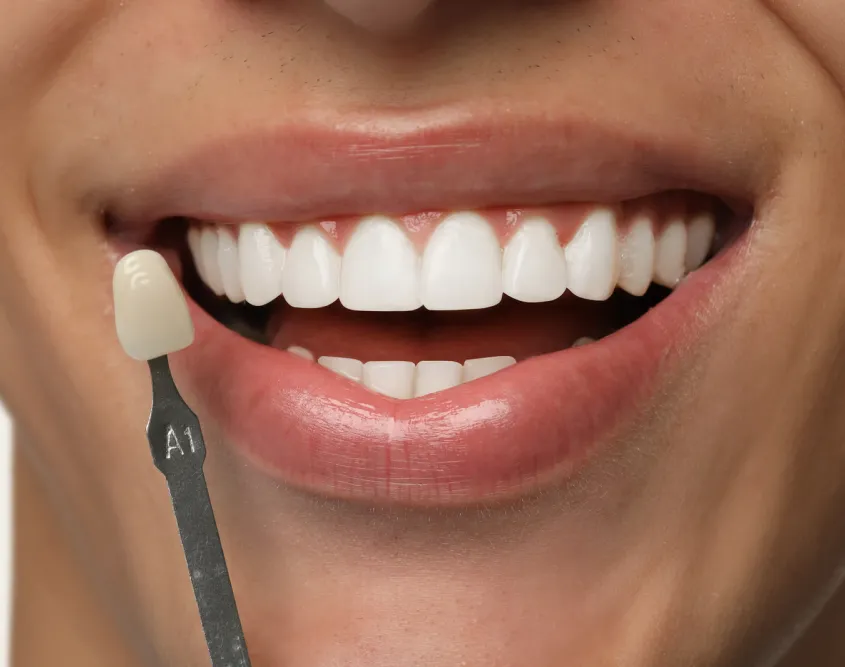
Discuss shade, shape and proportions before treatment begins. Bring examples if helpful, but explain which features appeal to you rather than expecting another person’s result to be reproduced.
If photographs, mock-ups or digital previews are offered, ask what they demonstrate and where their limitations lie. A preview should support discussion without being treated as a guaranteed outcome.
Request a written plan covering the teeth involved, material, appointments and fees. Include questions about future repairs and replacements, and check any health fund benefits directly with your insurer.
Questions to Ask Your Dentist
Whether you search for a cosmetic dentist or consult your usual dentist, useful questions include:
- Why are veneers suitable for my teeth?
- What alternatives could address my concerns?
- How much tooth preparation is proposed?
- Which material do you recommend, and why?
- What risks apply to my situation?
- What maintenance and future costs should I expect?
- What happens if a veneer chips or loosens?
Make an Informed Decision About Veneers
Veneers require thoughtful planning and ongoing care. Understanding suitability, preparation, alternatives and future maintenance helps you assess the full commitment.
Arrange a consultation with a dentist to discuss your goals and receive an individual assessment. Take time to review the proposed treatment before deciding how to proceed.
