

Top Tips To Improve Warehouse Safety: Protect Your People, Property, and Productivity
Running a warehouse comes with many responsibilities – from managing inventory to ensuring tight turnaround times. But at the top of the list should be safety. Whether you operate a small storage space or a sprawling logistics hub, workplace safety is essential to protect your staff, your infrastructure, and your bottom line.
According to Safe Work Australia, the warehousing and logistics sector consistently ranks among the highest for workplace injuries. Many of these incidents are preventable with proper systems in place. Below are practical and proactive ways to improve warehouse safety, with a special focus on the use of safety bollards – a simple yet powerful tool to prevent costly accidents.
- Understand and Comply with Australian Safety Standards
Safety starts with compliance. In Australia, workplace health and safety (WHS) is regulated at both state and federal levels. Employers have a legal obligation to provide a safe work environment, which includes managing risks and consulting workers on safety matters.
It’s crucial to familiarise yourself with your obligations under Safe Work Australia and your relevant state authority (e.g., WorkSafe Victoria, SafeWork NSW). Conduct regular risk assessments and stay up to date with changes in legislation or codes of practice that apply to warehousing and logistics.
- Invest in Proper Staff Training
A well-trained team is your first line of defence against accidents. Safety training should begin during the onboarding process and continue through regular refreshers, toolbox talks, and targeted workshops.
Training should cover everything from correct manual handling techniques to safe forklift operation and emergency response procedures. Empowering staff with knowledge and confidence reduces mistakes and promotes a safety-first mindset across the workplace.
- Implement Clear Signage and Floor Markings
Warehouses are busy, fast-paced environments – making visibility and clarity crucial. Proper signage helps staff and visitors quickly identify hazards, restricted areas, and safety procedures.
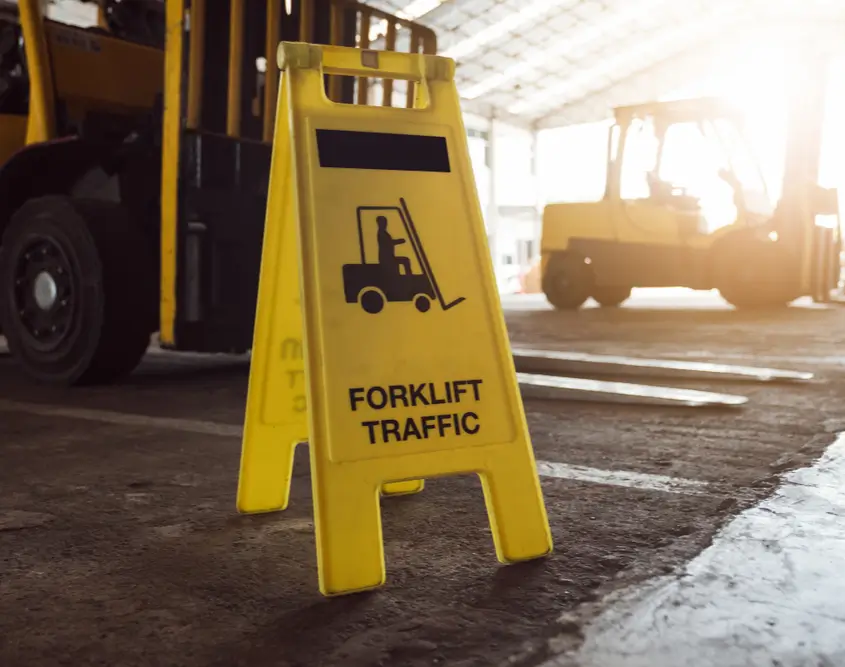
Use floor markings to define walkways, forklift routes, emergency exits, and designated loading zones. High-visibility paint and anti-slip tape can prevent trips and falls, especially in wet or dimly lit areas. Keep all signage in good condition and compliant with Australian Standards for workplace safety.
- Install Safety Bollards to Prevent Impact Damage
What Are Safety Bollards?
Safety bollards are sturdy posts installed to protect people, infrastructure, and equipment from vehicle impacts. In a warehouse environment, they create physical barriers between vehicles (like forklifts and trucks) and vulnerable areas such as doorways, storage racks, and pedestrian zones.
Why Bollards Are Crucial for Warehouse Safety
Forklift collisions and vehicle accidents are among the leading causes of damage in warehouses. A single misjudged turn can lead to thousands of dollars in repairs – or worse, serious injury to a worker. Bollards are a simple but effective way to:
- Prevent accidental impacts with structural columns, walls, or doors
- Protect pedestrian areas by clearly separating them from vehicle paths
- Shield valuable assets like pallet racking, machinery, or stock from collision damage
- Reinforce loading dock safety and improve traffic flow
Choosing the Right Bollards for Your Warehouse
In Australia, it’s important to choose safety bollards that meet relevant standards and are fit for purpose. Heavy-duty steel bollards with high-visibility powder coating are a popular choice for indoor and outdoor warehouse use. Some bollards are designed to flex or absorb impact, while others are fixed for high-strength protection.
Professional installation is key to ensuring bollards are securely anchored and properly spaced. Speak to a reputable supplier who understands the unique challenges of warehouse operations and local safety codes.
- Maintain Equipment and Machinery Regularly
Warehouses rely on a range of equipment – from forklifts and conveyors to compactors and hydraulic lifts. Keeping this machinery in good working order is vital for both efficiency and safety.
Create a maintenance schedule that includes daily pre-start checks, routine servicing, and prompt repairs. Implement lock-out/tag-out procedures to ensure faulty equipment is removed from use until repaired. Never let shortcuts on maintenance compromise safety.
- Improve Lighting and Visibility
Good lighting is one of the simplest ways to prevent accidents in the warehouse. All work areas, aisles, and emergency exits should be well-lit – especially where machinery operates or products are stacked.
Motion sensor lights can improve energy efficiency in low-traffic zones, while high-bay LED lights offer long-lasting, bright illumination. Don’t forget exterior areas like loading docks and access roads – these can be especially hazardous at night or in poor weather.
- Keep Aisles Clear and Organised
Cluttered walkways and overstocked shelves create tripping hazards and reduce visibility. Implement warehouse organisation systems like the 5S methodology (Sort, Set in order, Shine, Standardise, Sustain) to keep everything in its place.
Encourage staff to maintain clean, organised aisles and to report any obstructions or unsafe storage practices. Proper shelving, labelling, and stock rotation help reduce accidents and improve workflow efficiency.
- Encourage a Culture of Reporting
Even the best systems won’t work if your team doesn’t feel confident in speaking up. Foster a culture where everyone is responsible for safety. Encourage staff to report hazards, near misses, and unsafe behaviour without fear of blame or punishment.
You can introduce anonymous reporting channels, regular safety check-ins, and even reward systems that recognise safe conduct. Building trust around safety leads to long-term improvements and fewer incidents.
Warehouse safety isn’t just about ticking boxes – it’s about protecting your people, your property, and your operations. From ensuring proper training and clear signage to installing robust safety bollards, and working with a reputable safety equipment supplier, every proactive step you take reduces risk and improves productivity.
Whether you’re upgrading an existing facility or setting up a new one, now is the perfect time to assess your current safety measures. A small investment in bollards or training today could save lives – and thousands of dollars – tomorrow.
Need help choosing the right safety bollards for your warehouse? Talk to our team for expert advice and customised solutions that meet Australian safety standards.
